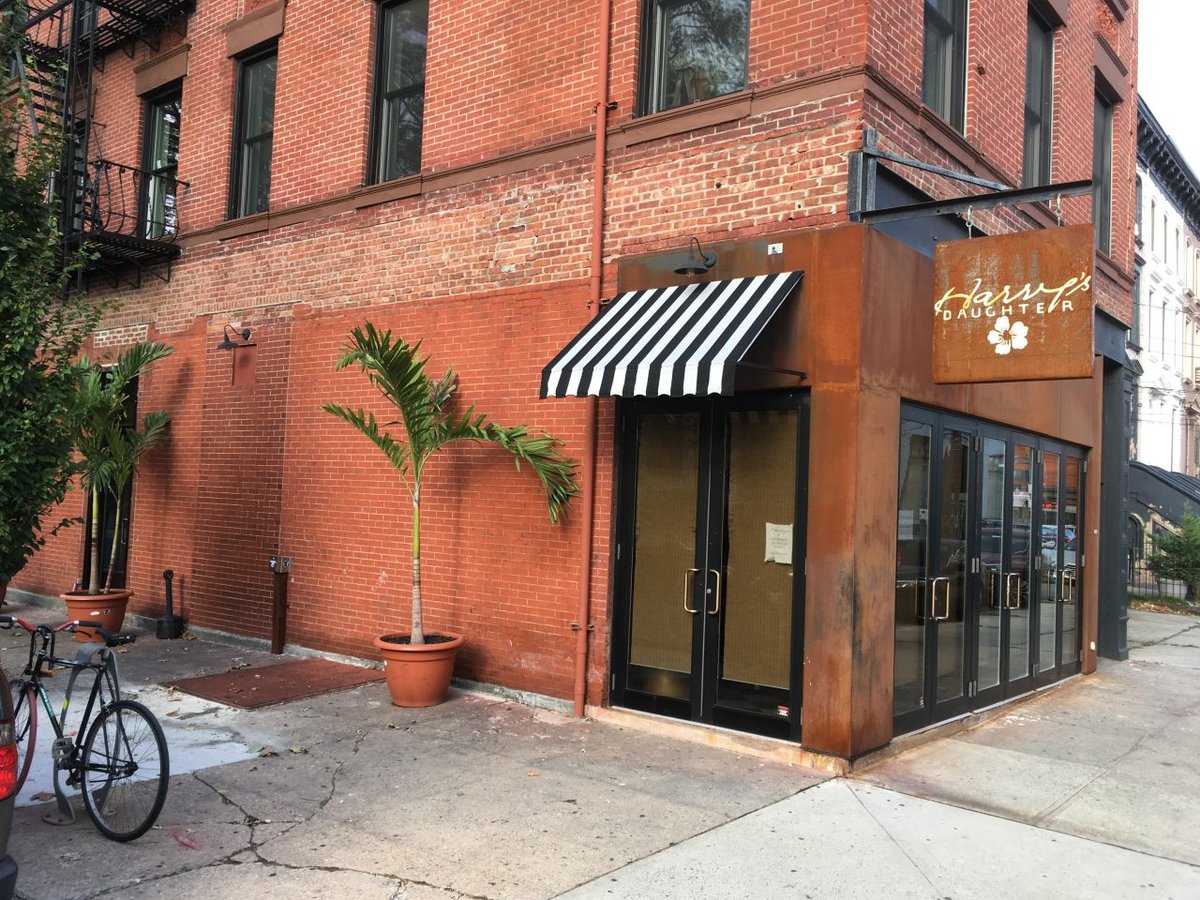
Navigating a new city or even just a new corner of your own town can feel like stepping into the unknown. You see the main streets, the big chain stores, and the popular attractions, but you know there's more – a hidden pulse, a local flavor, an authentic experience waiting to be discovered. This is where the magic of Neighborhood Guides & Local Gems comes alive, transforming your exploration from a mere drive-through into a deeply personal adventure. Forget generic tourist traps; we're talking about unlocking the unique character that makes a place truly special, from a quiet, historic street to a bustling farmers' market or that hole-in-the-wall eatery locals swear by.
At a Glance: Unearthing Your Community's Treasures
- Beyond the Obvious: Discover unique spots, local businesses, and cultural landmarks often missed by guidebooks.
- Empower Your Exploration: Learn strategies to find hidden gems, whether you're new to an area or a long-time resident.
- Support Local, Live Local: Understand how exploring local spots boosts community engagement and economic vibrancy.
- Practical Tools & Tips: Get actionable advice on what to look for, where to find information, and how to build your own guide.
- Connect & Belong: Experience a deeper sense of connection to your neighborhood and its people.
Why Bother with the "Hidden"? The Power of Neighborhood Guides
You might wonder, "Why go through the effort of seeking out the 'hidden' when everything's on Google Maps?" The answer lies in authenticity, connection, and the sheer joy of discovery. A well-crafted neighborhood guide or the pursuit of local gems isn't just about finding a new coffee shop; it's about understanding the soul of a place. It’s about meeting the people who make it tick, supporting the businesses that give it character, and immersing yourself in experiences that truly reflect local life.
These guides aren't just for newcomers. Even lifelong residents can uncover surprising new favorites just a few blocks from home. Think of a neighborhood guide as your insider's map, meticulously curated to highlight what truly matters – the places that foster community, spark joy, or simply offer a uniquely local experience. They are powerful tools for:
- Showcasing the Best: Highlighting local attractions like quirky art galleries, serene parks, or historic landmarks that define an area's identity.
- Boosting Local Economies: Directing attention and spending to independent businesses, from family-run bakeries to artisan boutiques.
- Fostering Community: Connecting residents through shared experiences at local events, farmers' markets, or favorite hangouts.
- Easing Transitions: Helping new residents quickly acclimate, find essential services, and build social connections.
The Anatomy of a Gem: What Makes a Spot "Local" and "Unique"?
Not every park or restaurant is a "local gem." So, how do you distinguish the truly special from the merely functional? A local gem often possesses one or more of these qualities:
- Authenticity: It's not a generic chain. It has a distinct character, often reflecting the history, culture, or people of the neighborhood.
- Local Ownership/Flavor: Run by locals, catering primarily to locals, and offering products or services unique to the area.
- History & Heritage: It might be an historic building, an old-school diner, or a place with a storied past that locals cherish.
- Community Hub: A place where people gather, connect, and build relationships – a community center, a beloved park, a specific cafe.
- Hidden or Off-the-Beaten-Path: Not on every tourist map, requiring a bit of local knowledge or adventurous spirit to find.
- Exceptional Quality or Experience: It offers something truly outstanding, whether it's the best croissant you've ever had, a truly unique shopping experience, or a remarkably peaceful natural escape.
Think of it this way: anyone can tell you where the nearest chain grocery store is. A neighborhood guide tells you where to find the farmers' market with the best heirloom tomatoes, the independent bookstore that hosts local author readings, or the quirky antique shop packed with untold stories.
Fremont's Hidden Treasures: A Glimpse into Real Local Gems
Let's look at some real-world examples, like those found in Fremont, CA, to truly understand what these gems look like:
- The Niles District: More than just a collection of shops, it’s a historic area frozen in time, boasting antique stores, a silent film museum, vintage boutiques, and even scenic train rides on the Niles Canyon Railway. This isn't just shopping; it's an experience rooted in history.
- Mission San Jose: One of California's original missions, it offers well-preserved architecture, tranquil gardens, and a museum—a historical anchor for the surrounding community.
- Quarry Lakes Regional Recreation Area: Beyond a simple park, it's a vast natural expanse with stunning lakes, trails for hiking and biking, and prime spots for fishing and birdwatching, fostering outdoor community life.
- Ardenwood Historic Farm: A working farm, it provides seasonal events, farm animals, and a Victorian-era house with gardens. It's an educational and recreational hub, connecting residents to agricultural history.
- Warm Springs Neighborhood: Known for its rich cultural diversity, hosting vibrant festivals and a dynamic culinary scene with international cuisine. This demonstrates how an entire neighborhood can be a "gem" through its collective offerings.
These examples illustrate that gems come in many forms: historical sites, natural escapes, cultural centers, and bustling commercial districts. The common thread is their unique contribution to the local fabric.
Crafting Your Own Compass: How to Discover Local Gems
You don't need an official guide to start exploring. Becoming a local gem discoverer is a skill anyone can cultivate.
Step 1: Define Your Interests
What truly excites you? Are you a food fanatic, a history buff, an outdoor enthusiast, or a lover of the arts?
- Foodies: Look for independent cafes, family-run restaurants, farmers' markets, specialty grocery stores, and bakeries. Seek out places known for specific local dishes or unique international cuisines. Consider what makes a place a "secret eat" among locals, like the Des Moines secret eats that only true insiders know about.
- Outdoor Adventurers: Search for lesser-known parks, hiking trails, bike paths, hidden gardens, or scenic viewpoints.
- Culture & Arts Enthusiasts: Explore local art galleries, community theaters, independent bookstores, historic landmarks, or quirky museums.
- Shop Local Champions: Seek out boutiques, craft shops, vintage stores, or specialty markets not found in typical malls.
By narrowing your focus, you can home in on relevant recommendations and make your exploration more rewarding.
Step 2: Leverage Local Resources
While aimless wandering is fun, smart research can point you in the right direction.
- Community Websites & Social Media Groups: Many neighborhoods have dedicated online forums, Facebook groups, or local subreddits where residents share recommendations, event listings, and news. These are goldmines for insider tips.
- Local Blogs & News Sites: Independent local journalists, bloggers, and even tourism boards often publish articles about new openings, beloved institutions, and local events.
- Libraries & Community Centers: These often have bulletin boards, brochures, or staff who are incredibly knowledgeable about local happenings and unique spots.
- Word of Mouth: Talk to people! Your neighbors, baristas, shop owners, and even delivery drivers are often the best source of genuine local insight. Ask them: "Where do you go for a quiet afternoon?" or "What's the one place visitors usually miss?"
- Offline Exploration: Take a walk or bike ride through a neighborhood you don't know well. Pay attention to storefronts, street art, and small signs. That unassuming door could lead to your next favorite spot.
- Visit a Farmers' Market: These are often community hubs, where you can chat with vendors and other shoppers, picking up tips on other local businesses and events.
Step 3: Dive into the Experience
Once you have a few leads, it's time to explore!
- Follow the Recommendations: Head to that cafe everyone raves about or stroll through the suggested historic district.
- Participate in Local Events: Check community calendars for festivals, street fairs, outdoor concerts, or block parties. These are prime opportunities to mingle with residents and experience the neighborhood's collective spirit.
- Go Beyond the Surface: If you visit a park, don't just stick to the main path. Explore side trails. If you're at a museum, look for guided tours or special exhibits.
- Document Your Finds: Keep a personal list or journal of places you've enjoyed. Note what you liked, why it felt unique, and any tips for future visits. This creates your own personalized guide.
Step 4: Become a Contributor
The best neighborhood guides are collaborative. Once you've discovered your own gems, share them!
- Review Online: Post honest reviews on platforms like Google Maps, Yelp, or TripAdvisor.
- Spread the Word: Tell friends, family, and new neighbors about your favorite spots.
- Suggest to Local Publications: If you find something truly extraordinary, consider reaching out to a local blog or newspaper to share your discovery.
Key Elements of a Trustworthy Neighborhood Guide
Whether you're creating your own or using one, a truly useful neighborhood guide goes beyond a simple list of places. It provides context, practicality, and a genuine feel for the area.
1. Local Attractions: The Heartbeat of the Neighborhood
These are the distinguishing features that give a place its unique identity.
- Parks & Green Spaces: More than just grass, these are community lungs. A guide should mention their specific amenities (e.g., dog park, playground, sports fields, walking trails), like Fremont's Central Park with Lake Elizabeth offering boating and paddleboarding.
- Museums & Galleries: Highlight local art, history, or niche collections. Is there a museum focused on local industry, or a gallery showcasing regional artists?
- Historic Landmarks: What stories do the buildings tell? From Mission San Jose's preserved architecture to the Sabercat Historical Park's paleontological discoveries, these landmarks provide a sense of place and time.
- Entertainment Venues: Beyond the big stadiums, what local theaters, music halls, or comedy clubs add to the nightlife or cultural scene? When you're looking for dinner before a big event, it's helpful to know about restaurants near Wells Fargo Arena, for instance.
2. Quality of Life Factors
For anyone considering moving or settling in, these elements are crucial.
- School Information: Crucial for families, a good guide will touch on the quality of local public and private schools, daycare options, and even local libraries that support learning.
- Community Resources: Include information on libraries, community centers, health clinics, and essential services that support residents.
3. Amenities That Matter
These are the practical aspects that define daily life.
- Shopping Options: Move beyond the big box stores. Feature local boutiques, specialty shops, independent bookstores, and unique markets. Mention places like the historic East Village where you can find Top Historic East Village Restaurants and unique shops, fostering a distinct local economy.
- Dining & Food Scene: Highlight cafes, bakeries, restaurants, and bars that reflect local tastes. Emphasize places with unique menus, farm-to-table options, or a strong community presence. Fremont's Warm Springs neighborhood, for example, is lauded for its vibrant culinary scene with diverse international cuisine.
- Transportation: How easy is it to get around? Mention public transport options (bus, train, bike lanes), walkability scores, and parking availability.
- Recreational Facilities: Beyond parks, are there public pools, sports complexes, fitness centers, or unique recreational clubs?
4. Real Estate Market Insights (for those considering a move)
While not always a "gem" itself, understanding the housing landscape helps contextualize the neighborhood.
- Current Market Trends: Briefly touch on average home prices, rental costs, inventory levels, and whether it's a buyer's or seller's market.
- Cost of Living: Provide an idea of typical expenses for rent, utilities, and groceries compared to regional or national averages.
- Investment Potential: Are there areas experiencing growth or gentrification that might offer good investment opportunities?
This data helps frame the financial viability of living in a particular area, impacting who can call it home and thus, the community's evolving character. For instance, knowing that a neighborhood's average one-bedroom rent is $1,800/month or that grocery costs are 15% below the national average provides crucial context.
Beyond the List: Nurturing Your Neighborhood Connection
Discovering local gems isn't a one-time scavenger hunt; it's an ongoing relationship with your community. Once you've found those special spots, nurture them.
- Be a Regular: Support your favorite local businesses often. Your patronage helps them thrive.
- Engage with Owners & Staff: Learn their stories. These interactions deepen your connection and appreciation for their contribution to the neighborhood.
- Share Your Enthusiast: Bring friends and family to your favorite spots. Recommend them to new neighbors. Be an ambassador for what you love about your community.
- Volunteer: If a local park, historical society, or community group resonates with you, offer your time. This is a direct way to invest in the places you cherish.
- Stay Curious: Neighborhoods are constantly evolving. New businesses open, old ones get revived, and events pop up. Always keep an eye out for the next hidden treasure.
By actively engaging with your local surroundings, you not only enrich your own life but also contribute to the vibrancy and resilience of your community. So, grab your walking shoes, open your mind, and embark on the endless adventure of exploring your neighborhood's unique spots. The most rewarding discoveries are often just around the corner, waiting for you.